In Kerala, humans and nature coexist in harmony
Human by nature is a mantra in lush Kerala, where humans and nature coexist in harmony
LUSH, TROPICAL KERALA ABOUNDS with nature. In the north, dense jungles cover the rolling Western Ghats, one of the world’s top 10 biodiversity hotspots. Along the coast, swaying palm trees fringe soft-sand beaches and frame glorious, balmy sunsets over the Arabian Sea. Up in the Cardamom Hills, the scent of spices fill the air and tapestries of tea spread out like carpets. From the middle of the state, languid backwaters unwind and create a watery world of lost horizons.
In Kerala, nature dominates. And on my many trips to the gentle state, one thing has stood out: here, humans coexist in harmony with nature. For the Human by Nature campaign from Kerala Tourism, this seems to me to be the single most pertinent fact.
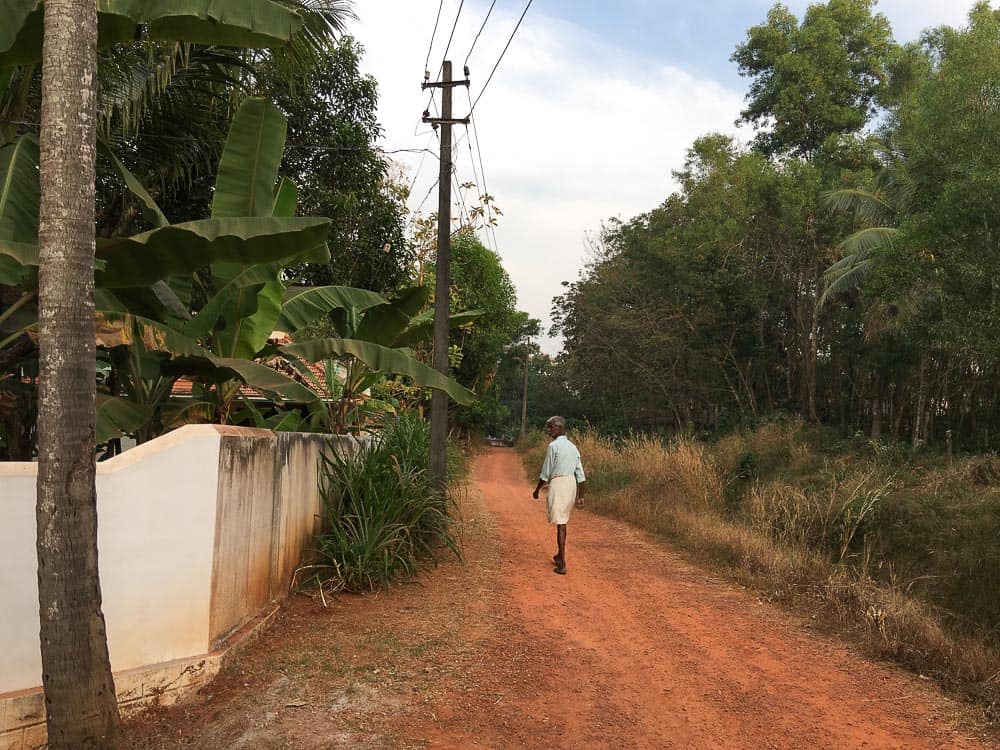
You see humans coexisting in harmony with nature wherever you go in Kerala. Villages grow organically among paddy fields and forests with houses draped in vines and flowers. Fishermen ply the narrow backwaters in small wooden boats, following the flow and rhythm of the currents. Rituals like Theyyam are held deep in the jungle by the light of the moon.
Harmony between humans and nature in Kerala
The harmony between humans and nature in Kerala creates a relaxed ambience that tourists feel from the moment they arrive. For foreign tourists who have never been to India, Kerala makes for a soft landing — largely for this reason. But it’s just as inviting and relaxing for domestic tourists and long-time visitors.
The unique and time-honoured culture of Kerala is intertwined with the landscape and with nature in a way that is inseparable. With these photos, I want to highlight my favourite experiences of how nature and humans coexist in Kerala.
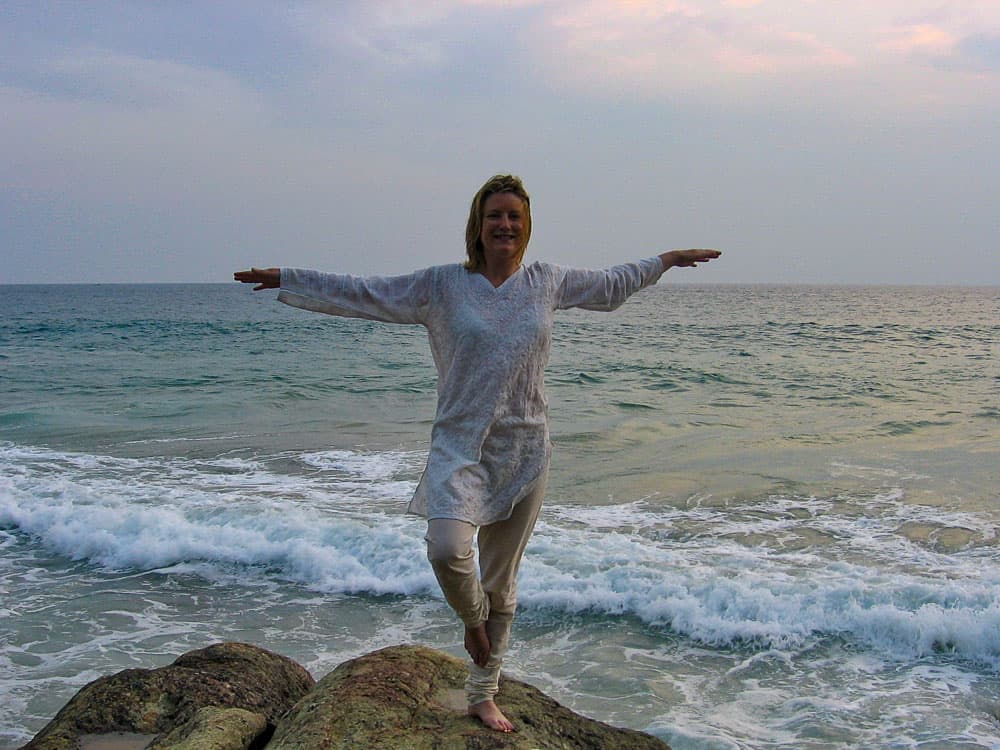
My Kerala and nature’s abundance
Over the past 15 years that I’ve been travelling in India, I have visited Kerala many times. I first went to Kerala on my first trip. I arrived on New Year’s — December 31, 2005 — and stayed at an Ayurvedic resort overlooking the Arabian Ocean, just south of the popular beach destination Kovalam. It was a fantastic experience in every way, and I was hooked. I have loved Kerala ever since.
From the very beginning of my relationship with Kerala, I was always drawn to the state’s natural abundance. I loved swimming in the ocean, strolling on the beach, eating fresh and spicy food from a banana leaf, taking Ayurvedic treatments, boating on the backwaters, staying in a village, picking spices and tea in a garden, and going on a walking safari in Periyar tiger reserve at dawn.
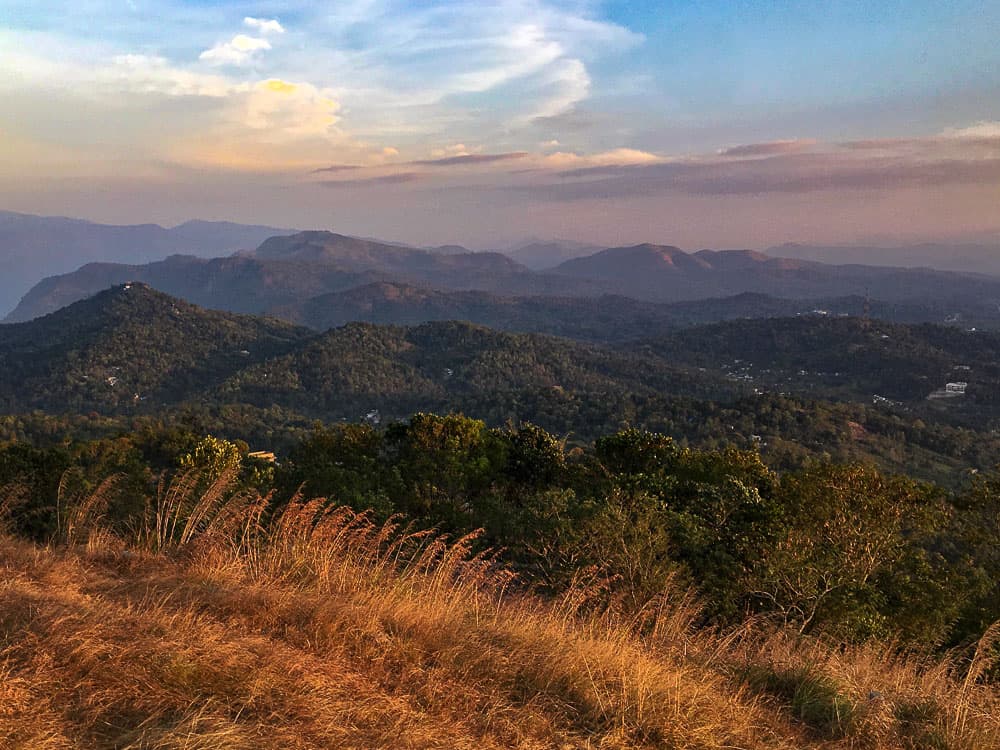
A paradise for nature lovers
In Kerala, the lengthy coastline, network of backwaters, dense jungles, and Western Ghats mountain range (which runs all along the eastern boundary of Kerala) create a paradise for nature lovers and bird watchers. There are five national parks, 17 wildlife sanctuaries, two tiger reserves, and two Biosphere Reserves in Kerala (Nilgiri Biosphere Reserve and Agasthyamalai Biosphere Reserve). One of the country’s preeminent tiger reserves, Periyar, is located in the southern part of Kerala. It is home to an astonishing range of flora and fauna including Bengal tigers, wild elephants, panthers, and sloth bears, plus many more mammals, reptiles, and more than 300 species of birds.
Ecotourism and responsible travel
Kerala was one of the first states in India to foster ecotourism and responsible travel. The Responsible Tourism Mission was launched in 2007 in Kerala to “make better places for people to visit and better places for people to live.” They have helped develop several destinations such as Kumarakom (backwaters), Thekkady (hills), Kovalam (beaches) and Kannur, and many projects such as the Village Life Experience. Kerala has published a list of Do’s and Don’ts to help guide responsible travellers.
Comments
Post a Comment